The beginner's guide to unspun yarn, Part 1 – an introduction
As a knitwear designer who reaches for unspun yarn often, the question I get most is some version of "where do I even start?" This is the first part of a three-part guide for knitters and fibre artists who've never worked with it before – what it is, how it's made, and why a small group of mills around Europe build their craft around it.
This first instalment is the orientation. If you already have a feel for unspun and want the hands-on practical tips, head straight to Part 2: Working with unspun yarn.
Twist-free, ready for use.
What unspun yarn is.
Wool, paused before spinning
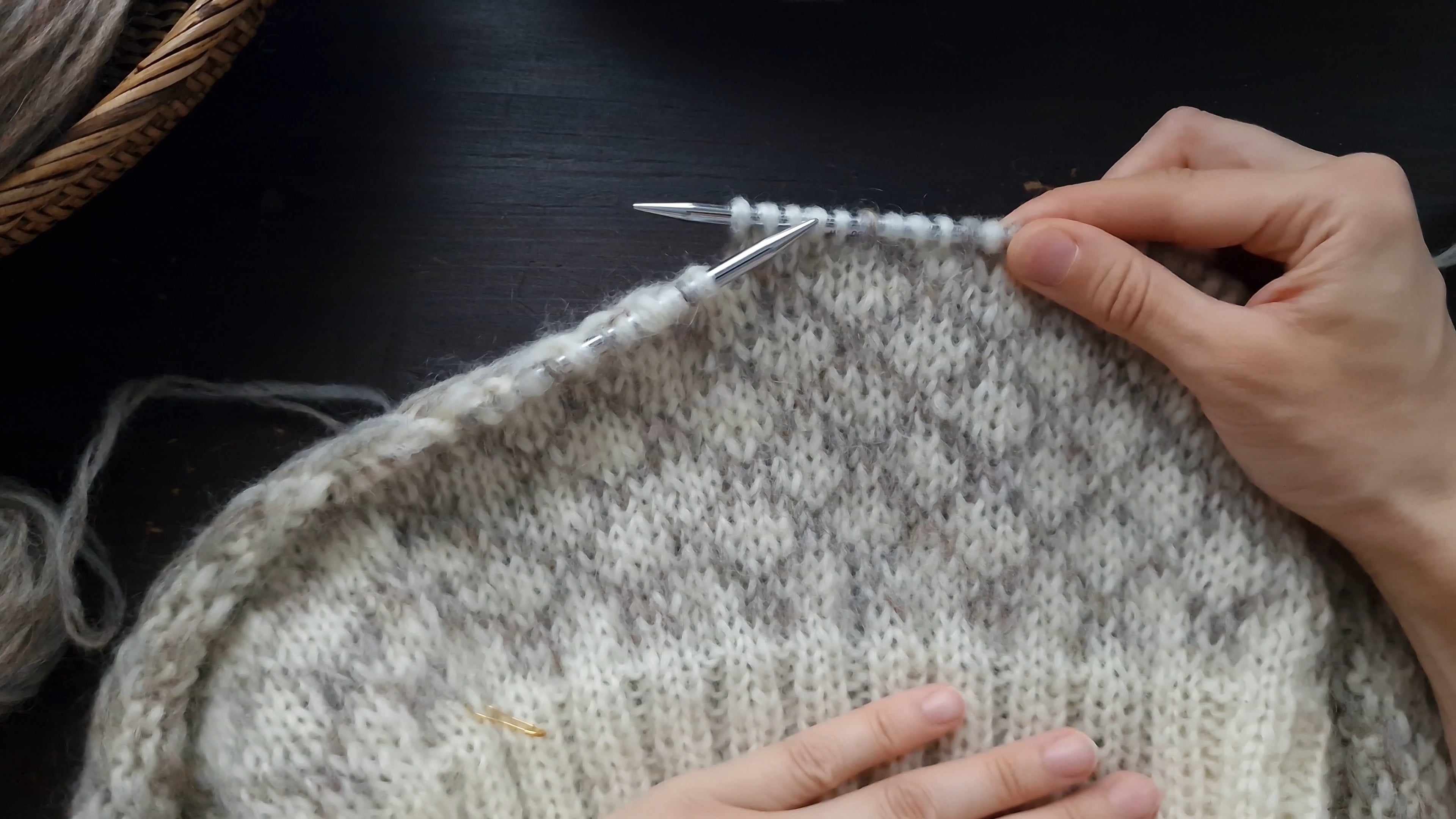
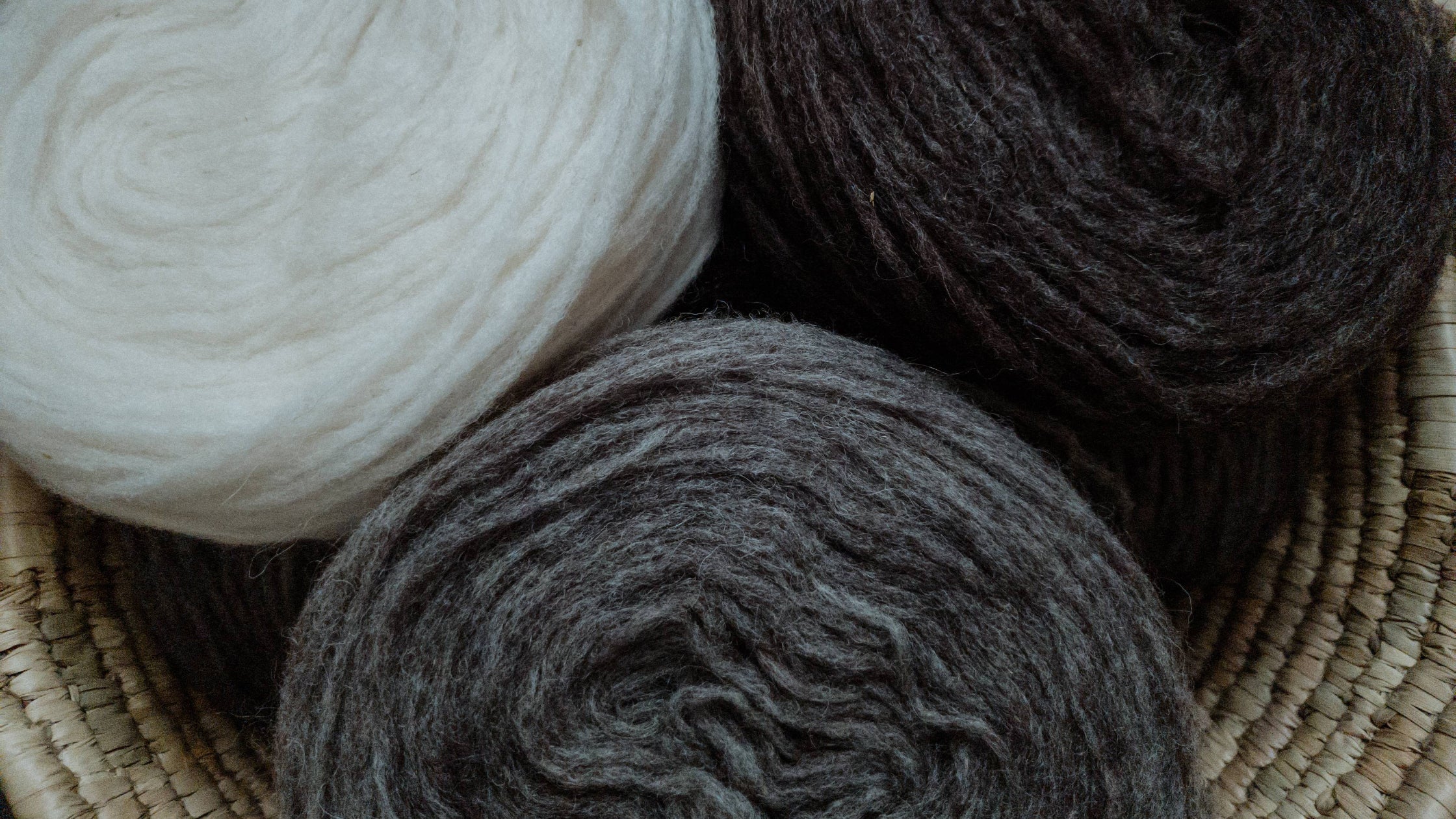
Unspun yarn is, as the name suggests, yarn that has skipped the traditional spinning process. The fibres are washed, carded, and sometimes dyed – but they're never twisted into a tight thread. The result is incredibly soft, lofty, and plush. It's the texture that draws most of us in.
Depending on the precise preparation of the fibres, you'll see it called roving or sliver. Either way, it retains the full loft and elasticity of the wool – characteristics that often get muted in the spinning process. In its unspun state, the fibre still feels close to the animal it came from.
From wool to plate.
The five steps – minus one
Before we look at what makes unspun different, a quick overview of how wool becomes yarn. Each step affects the final texture, strength, and quality.
Unspun yarn is used in its carded state. The fibres are parted into thinner strips and wound into plates or cakes – never twisted, never plied. It's less durable and less stable than spun yarn. But it keeps the full loft, the full softness, and a warmth-to-weight ratio that nothing spun can match.
Soft, lofty, adaptable.
The unique appeal of unspun
Unspun yarn typically comes single-stranded on a plate or cake. That single strand usually falls in the light fingering range, though it varies by mill and preparation. Held double, you're around DK to Aran. Held triple, you're closer to bulky.
That adjustable weight is part of what makes unspun so versatile. You can also pair it with a spun fibre – silk mohair, lace-weight alpaca – to add structure, change the colour, or build a halo. The same plate becomes three different yarns depending on how you hold it.
"The texture is raw, fluffy, distinctly itself."
Why fibre artists keep coming back
Beyond adaptability, the texture itself is the draw. Because the wool is never tightly spun, the fibres stay plush and elastic. The finished fabric reads as rustic in the best sense – considered, hand-made, full of character. It's a look spun yarn can't quite replicate.
Built for the outdoors.
Warmth without the weight
The structure of unspun yarn – fibres loosely held together with air between them – makes it an exceptional insulator. That trapped air slows heat transfer, which is why a thin unspun sweater can keep you warmer than a much heavier spun one. The warmth-to-weight ratio is genuinely unbeatable.
Like all 100% wool, unspun is also breathable and naturally water-resistant. The fibres carry a thin waxy coating that repels moisture; some yarns – Nutiden from Höner och Eir notably – are processed to leave more lanolin in, which enhances this further. Not waterproof, but enough that warmth holds even when the fabric gets damp.
"Warmth without the weight."
Unspun's whole proposition for hikers
As an avid hiker, I reach for my Wayfarer Raglan in Nutiden held double, or my Lo·ki Raglan in Plötulopi held double, all winter. Layered over a long-sleeved merino base and under a shell jacket, the combination is the perfect balance of warmth, breathability, and adaptability. Despite the volume, unspun barely weighs down the pack – you forget it's there until you need it.
The makers and sustainability.
The mills behind the plates
Wool is naturally sustainable, but the way it's produced varies enormously. Many of the small mills making unspun yarn are deeply committed to preserving local heritage, supporting their farmers fairly, and protecting endangered sheep breeds. Buying their yarn is buying into that system.
Two makers I work with often – and whose values align with mine:
Each plate of unspun feels different. Each carries the personality of the sheep, the mill, the maker. Holding it in your hands, it's hard not to feel more connected – to the wool, to the people, to the natural world it came from.
Ready to cast on?
Take it slow, take it gently.
Working with unspun asks for a slightly different approach than spun yarn – a bit more patience, a bit more attention. The reward is unmatched warmth, distinctive texture, and a garment that softens beautifully with every wear.
Next: Part 2: Working with unspun yarn – the practical habits that turn unspun from intimidating to enjoyable. Or skip ahead to Part 3: Pattern recommendations for first-project suggestions.